
University of Johannesburg CIDRA Roundtables
The University of Johannesburg, through CIDRA, has hosted a series of roundtable discussions examining investment, legal, and security governance within the Southern African Development Community (SADC). These engagements have explored both the opportunities and challenges influencing regional integration, cooperation, and development across Southern Africa.
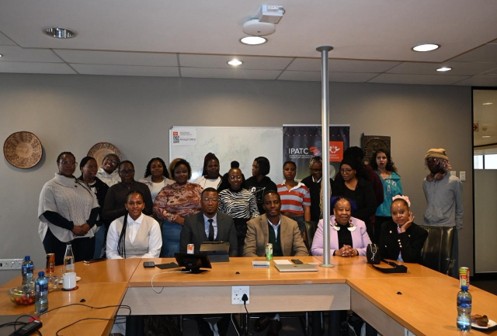
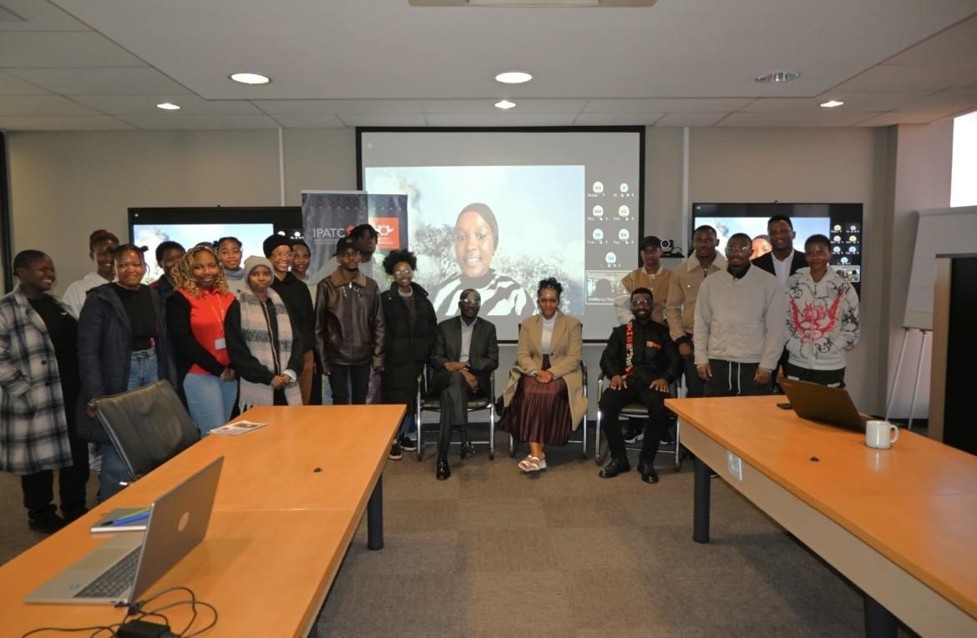
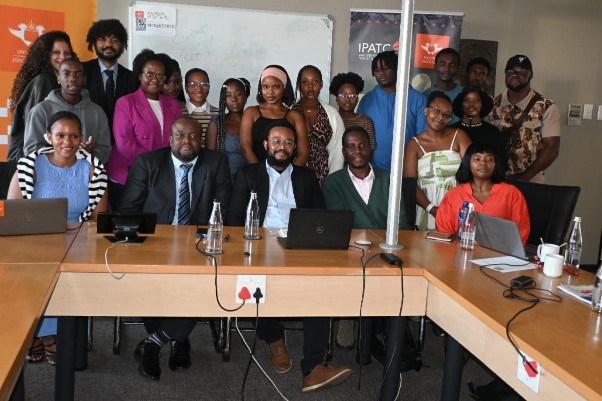
Open to students, academics, policymakers, and subject-matter experts, the roundtables have provided a dynamic platform for dialogue, knowledge exchange, and critical engagement. Contributors presented their research papers and participated in interactive discussions, fostering informed debate on key governance issues affecting the region.
The discussions have contributed to a deeper understanding of SADC governance by highlighting the political, legal, economic, and institutional factors that enable or constrain effective regional cooperation. Through these conversations, participants have identified practical approaches to strengthening regional integration and advancing sustainable development objectives.
Building on the insights generated from previous engagements, the next roundtable series will focus on the policy and diplomatic enablers and barriers shaping governance, integration, and cooperation within SADC. These discussions aim to generate actionable recommendations and contribute to ongoing scholarly and policy debates on the future of regional governance in Southern Africa.
Featured Roundtables
Unlocking Investment and Regional Integration in SADC
Presented by Prof Gabila Nubong and moderated by Prof Bhaso Ndzendze.
Legal Impediments and Enablers in SADC
Presented by Dr Gosego Lekgowe and moderated by Prof Elias Phaahla.
Security Governance Enablers and Impediments in SADC
Presented by Dr Gwinyayi Dzinesa and moderated by Dr Noluthando Phungula-Radebe.

| Funded by the European Union. Views and opinions expressed are however those of the author(s) only and do not necessarily reflect those of the European Union or the European Education and Culture Executive Agency (EACEA). Neither the European Union nor EACEA can be held responsible for them. |